The July 17, 2026 Election Integrity disclosures present a large and politically
significant set of claims, assessments, and internal government materials. They are
best understood as a summary of what the White House says the documents show, not as
a judicial finding that each allegation has already been proven.
"The documents may support serious concerns, but each claim still needs to be
tested against the underlying evidence, the chain of custody, and the public record."
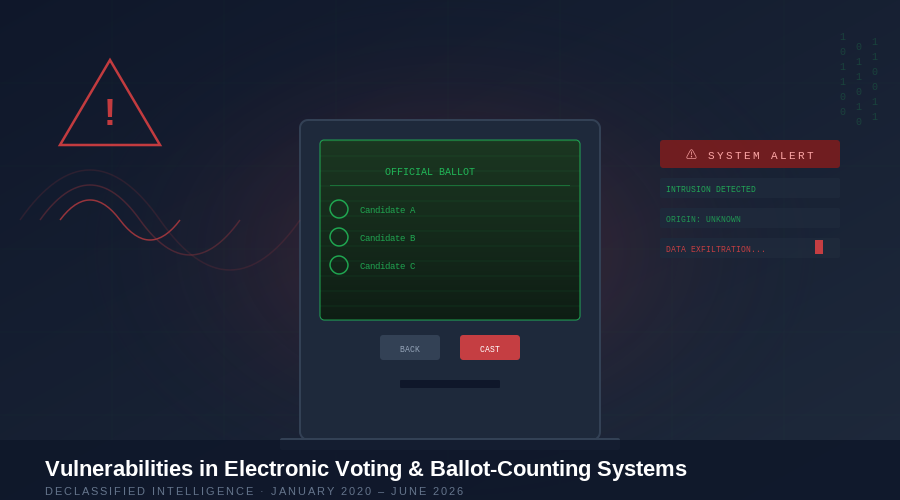
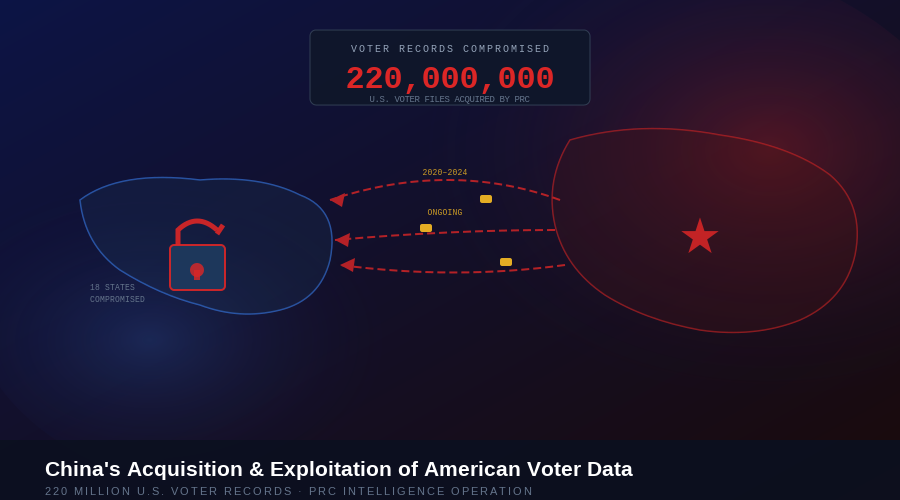
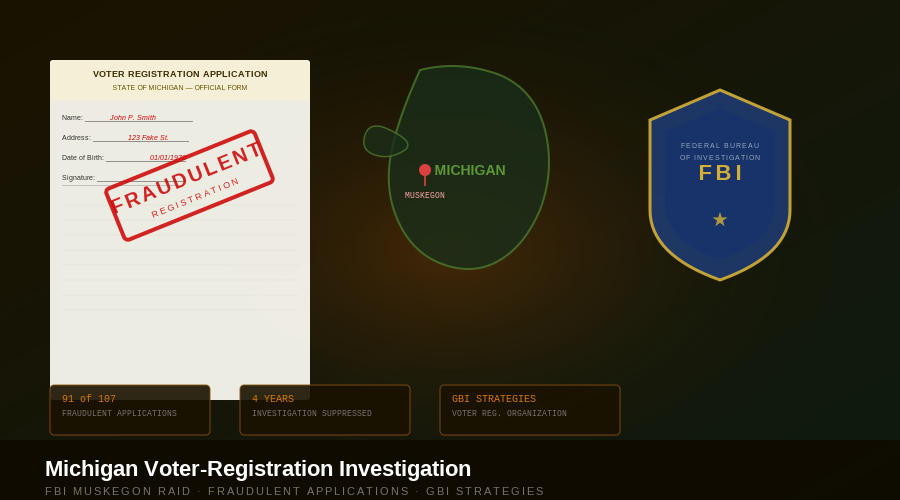
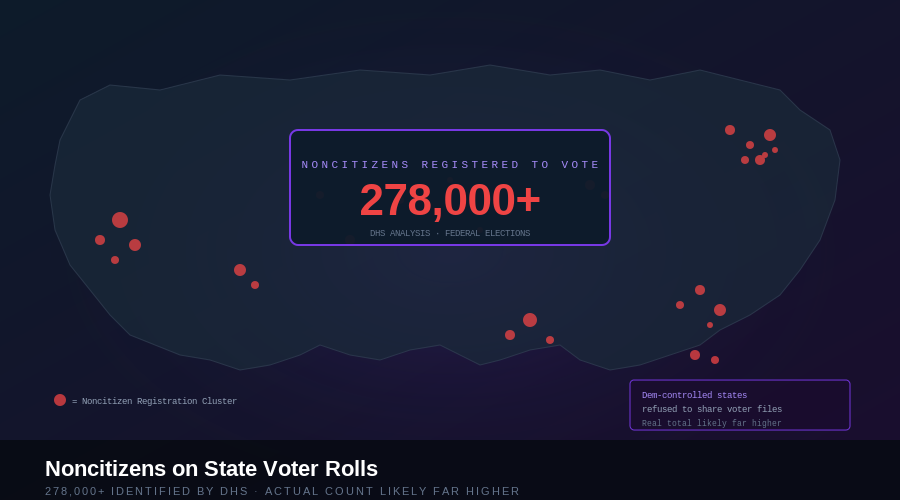
The four pillars documented here — voting-system vulnerability, alleged foreign
acquisition of voter data, the Michigan registration investigation, and
noncitizens on state voter rolls — should therefore be read through two lenses at
once: first, as the government's own framing of the problem, and second, as claims
whose strength depends on whether the underlying evidence can be authenticated,
corroborated, and defended in court.
The neutral question is not whether the claims are important — they clearly are —
but whether each one is supported by records strong enough to survive adversarial
scrutiny, independent verification, and, if necessary, courtroom testing.
All documents referenced in this article are available for download at
whitehouse.gov/election-integrity.
The four document bundles — one per pillar — are provided as ZIP archives containing
the individual PDF files, which is where a close evidentiary review should begin.